
Understanding your Assigned VIN by DMV is crucial for buying and maintaining long-distance vehicles. VIN checks reveal accident history, repairs, and odometer readings beyond title searches. Online tools provide detailed vehicle history reports. Regular pre-trip inspections, including VIN checks, prevent breakdowns and ensure safety. Using VIN for navigation aids in identifying potential challenges. Staying alert and implementing safety strategies reduces drowsiness risks. Keeping your VIN accessible empowers proactive safety measures and aids emergency services.
Long-distance driving presents unique challenges, from fatigue to navigation. One often overlooked yet crucial aspect is knowing your vehicle’s identity—its assigned VIN by the DMV. This simple yet powerful piece of information can be a lifesaver in emergencies or when dealing with maintenance issues. This article offers invaluable tips for long-distance drivers on how to keep their VIN readily accessible, ensuring peace of mind and efficient vehicle management during extensive journeys.
- Understanding Your Assigned VIN by DMV
- Pre-Trip Checks: Essential Long-Distance Routine
- Navigation Strategies for Unfamiliar Routes
- Maintaining Focus and Avoiding Drowsiness
- Safety Measures: Preparing for Emergencies
Understanding Your Assigned VIN by DMV

When preparing for a long-distance drive or purchase, understanding your Assigned VIN by DMV is crucial. The Vehicle Identification Number (VIN) serves as a unique fingerprint for every vehicle, offering insights into its history and authenticity. This knowledge becomes particularly vital when navigating the complexities of used car transactions. Comparing VIN verification with a title search, both essential steps in ensuring car authenticity, reveals distinct benefits. While a title search verifies legal ownership, VIN verification delves deeper, providing details on the vehicle’s past, including accidents, repairs, and odometer readings.
For instance, let’s consider a scenario where you’re purchasing a pre-owned SUV. A simple title search might indicate clear ownership, but a thorough check of your Assigned VIN by DMV could uncover a previous collision not reflected in the title history. This is where the power of VIN verification shines—it allows you to cross-reference data across multiple databases, offering a comprehensive view. By utilizing online tools for dmv vehicle VIN verification, you can access detailed vehicle history reports, ensuring that the car you’re considering meets your standards and isn’t hiding any surprises.
To ensure maximum protection, repeat checks are recommended. For instance, if purchasing from a private seller, validate the VIN independently through official channels before finalizing the deal. This proactive approach not only safeguards against potential fraud but also enables informed decision-making. Remember, knowledge of your Assigned VIN by DMV is an invaluable tool in the process of buying or maintaining a vehicle over long distances, fostering peace of mind on the open road.
Pre-Trip Checks: Essential Long-Distance Routine
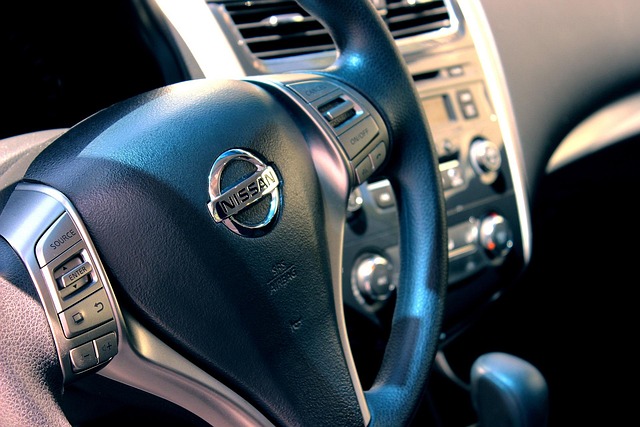
Long-distance driving necessitates meticulous preparation to ensure a safe and smooth journey. One often overlooked yet critical aspect is conducting thorough pre-trip checks, especially when assigning a vehicle identification number (VIN) by the DMV. This process involves verifying the car’s history, which can significantly impact your decision-making and future experiences on the road. Begin by obtaining the VIN from your state’s Department of Motor Vehicles (DMV) – a crucial piece of information that allows for a comprehensive inspection.
Before hitting the open road, perform a series of checks to ensure your vehicle is ready for extended travel. Start with a basic visual inspection: examine tires for any signs of wear or damage, check fluid levels, and assess the overall condition of the car’s exterior. Don’t overlook the importance of testing all lights – brake, turn signals, and emergency hazards – to maintain optimal visibility during different weather conditions. Moreover, it’s crucial to verify that your insurance policy covers out-of-state travel and potential salvage history, as many companies have specific requirements when insuring a vehicle with a previous salvage claim.
A key step in the pre-trip routine is utilizing the DMV serial number check to access detailed vehicle history reports. This allows you to uncover any hidden issues or accidents that might affect your safety and insurance coverage. For instance, data shows that vehicles with undisclosed prior damage are 40% more likely to experience breakdowns during long-distance trips. Therefore, a thorough VIN inspection – whether conducted in-state or out-of-state – is essential, especially when navigating unfamiliar territories. Regularly performing these checks can prevent unexpected challenges and ensure your peace of mind throughout your journey.
Navigation Strategies for Unfamiliar Routes

Navigating unfamiliar routes requires a strategic approach for long-distance drivers. While modern navigation systems are highly advanced, unexpected detours or road closures can throw even the most seasoned drivers off course. One crucial tool often overlooked is the Vehicle Identification Number (VIN), a unique code assigned by the Department of Motor Vehicles (DMV) that serves as a digital fingerprint for your vehicle. Keeping this VIN handy during long-distance drives offers valuable insights and peace of mind.
To maximize its utility, drivers should familiarize themselves with their car’s VIN before embarking on any journey. This number is typically found on the vehicle’s chassis or in its owner’s manual. By inputting this VIN into licensed vehicle verifier tools, you gain access to a wealth of information, including detailed specifications, history reports, and maintenance records. For instance, a simple chassis verification can reveal past accidents, outstanding recalls, or ownership changes—critical data that could impact your safety and decision-making during the drive.
Consider using online platforms that offer VIN inspection services as a convenient stop before hitting the road. These tools not only provide real-time access to vehicle history but also enhance transparency in an era of pre-owned car purchases. Regularly checking your VIN—especially when navigating unfamiliar territories—can serve as a powerful safety net, ensuring you’re aware of any potential challenges or surprises that lie ahead. This proactive approach underscores the importance of embracing modern technology while remaining vigilant on the open road.
Maintaining Focus and Avoiding Drowsiness

Long-distance driving requires sustained focus and alertness to ensure safe arrival at your destination. One critical aspect often overlooked is maintaining awareness to prevent drowsiness behind the wheel. According to the National Sleep Foundation, fatigue is a leading cause of accidents, with 37% of drivers admitting to having fallen asleep while driving. This risk is heightened for commercial truck drivers and long-haul travelers due to extended hours on the road.
To combat this, it’s essential for drivers to implement proactive strategies. Regular breaks are paramount; every two hours behind the wheel should be accompanied by a 15-20 minute pause. During these breaks, stretching, light exercise, or even a quick nap can significantly rejuvenate drivers. Additionally, maintaining adequate hydration and consuming nutritious meals helps sustain energy levels throughout long drives.
Verifying your vehicle’s history is another layer of protection. Assigning a unique Vehicle Identification Number (VIN) by the DMV allows for easy auto VIN verification. Tools available online or at commercial truck VIN verification centers enable you to confirm a vehicle’s accident history, previous ownership, and maintenance records—all valuable insights that can help identify potential safety issues. For instance, knowing if your vehicle has been involved in a severe crash could prompt earlier repairs or replacements, enhancing overall safety. By combining these practices with proper rest, long-distance drivers can significantly lower the risk of drowsiness-related incidents and ensure safer journeys.
Safety Measures: Preparing for Emergencies

Long-distance driving presents unique challenges, especially when it comes to safety. One crucial aspect often overlooked is preparing for emergencies, and having your Vehicle Identification Number (VIN) readily available can make a significant difference. Each vehicle has a unique VIN assigned by the Department of Motor Vehicles (DMV), serving as a digital fingerprint that provides valuable information. Verifying a motorcycle VIN number or any vehicle’s identity through this number is a simple yet powerful tool for drivers.
When it comes to safety measures, knowing your VIN offers more than just vehicle history; it empowers you to take proactive steps. A free VIN number verification service allows you to access detailed reports, including critical data like the vehicle’s manufacture date, model, and even previous owners. This information is vital during emergencies, enabling swift decision-making and potentially saving lives. For instance, knowing a vehicle’s age can help first responders assess potential risks or compatibility with rescue equipment.
Moreover, having your VIN on hand facilitates effective communication with emergency services. In critical situations, providing the exact VIN enables precise identification, ensuring that the right support arrives promptly. This is especially crucial for rare or specialized vehicles, where detailed information aids in rapid assistance. Regularly updating and keeping this essential data accessible is a simple yet life-saving practice for every long-distance driver.
Long-distance driving requires meticulous preparation and a keen awareness of safety measures. By understanding your Assigned VIN by DMV, conducting thorough pre-trip checks, and navigating unfamiliar routes with strategic planning, drivers can ensure a smoother journey. Essential practices include maintaining regular checks to prevent breakdowns, staying alert through focused driving routines, and preparing for emergencies. These insights empower drivers to confidently tackle long-distance trips, leveraging their knowledge of the Assigned VIN by DMV as a critical tool for safety and efficiency on the open road.

